Selecting PEEK for a demanding application requires more than reading a temperature rating. Buyers must understand how peek characteristics behave under heat, pressure, chemicals, moisture, and repeated loading. PEEK is a high-performance thermoplastic known for strength retention, wear resistance, dimensional stability, and low moisture absorption. Yet those benefits depend on grade, processing quality, and operating conditions.
Dr. John Scheirs, a polymer materials specialist, has described PEEK this way: “PEEK combines high temperature performance with exceptional chemical and mechanical resistance.” That statement captures its appeal, but it should not become a purchasing shortcut. A glass-filled grade may improve stiffness, while carbon-filled PEEK can reduce thermal expansion and support demanding wear applications. However, fillers can also affect toughness, electrical behavior, surface finish, and machining response.
Small details matter.
Buyers should examine continuous-use temperature, short-term exposure limits, compressive strength, friction, abrasion, sterilization resistance, and chemical compatibility. They should also ask how the material performs after thousands of cycles, not only after a laboratory test. An impressive datasheet may hide differences between molded parts, machined stock shapes, and poorly controlled processing.
This guide explores the top PEEK characteristics buyers need to know before approving a specification. It also considers practical weaknesses, including higher material cost, difficult processing, and sensitivity to design mistakes. PEEK is powerful, but it is not universally ideal. The most reliable choice comes from matching the grade to the real service environment, then validating that decision through testing and supplier documentation.
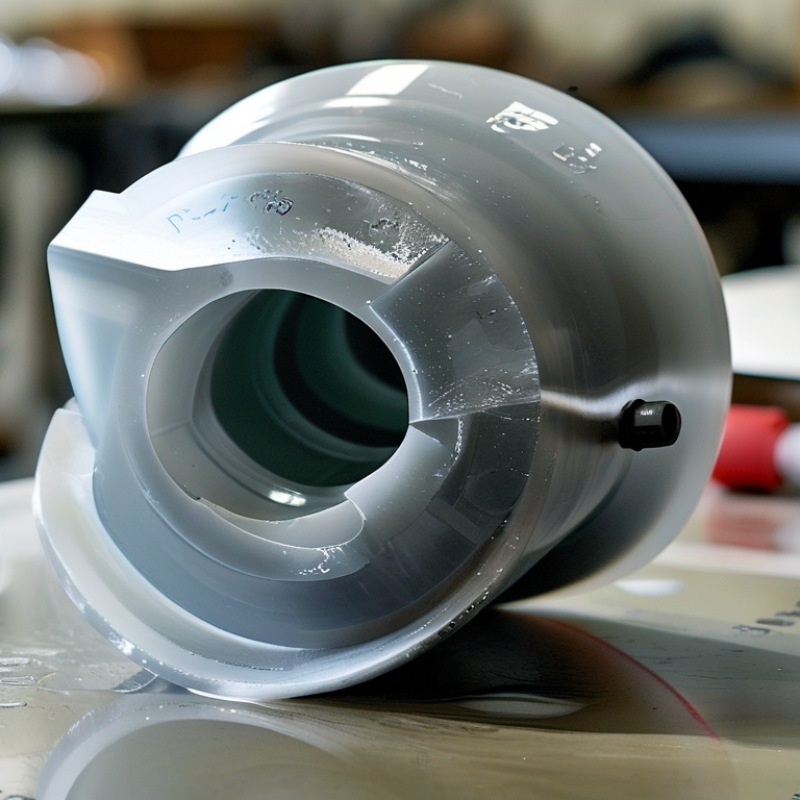
PEEK is a high-performance thermoplastic, not simply a stronger version of ordinary plastic. Its backbone contains aromatic rings, ether linkages, and ketone groups. This structure supports heat resistance, chemical stability, and mechanical strength. Glass transition temperature is about 143°C, while melting temperature is near 343°C. Many grades support continuous service around 250°C, depending on load and environment.
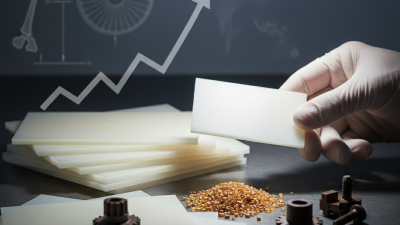
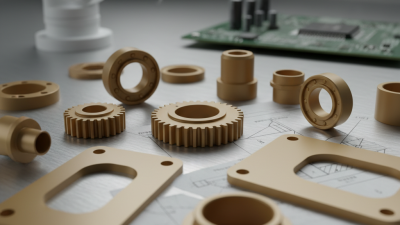
Product form affects purchasing decisions. Pellets suit injection molding and extrusion. Powder supports compression molding, coating, and additive manufacturing. Sheets, rods, tubes, films, and machined parts serve laboratories, pumps, seals, and electrical assemblies. Reinforced grades may contain carbon or glass fibers, improving stiffness but reducing ductility. A 2024 Grand View Research assessment estimated the global PEEK market at about USD 1.02 billion in 2023, with growth expected through 2030. Market forecasts differ, however, because analysts classify powders, compounds, and finished parts differently. That limitation matters.
Buyers should request test conditions, not isolated numbers. Tensile strength can vary with molding direction, temperature, moisture, and reinforcement. Chemical resistance is impressive, but concentrated acids, abrasion, and poor design can still cause failure. The material is reliable. The specification may not be.
| Data Dimension | PEEK Information | Buyer Relevance |
|---|---|---|
| Material Definition | PEEK is a high-performance, semicrystalline thermoplastic engineering polymer. | Suitable for demanding applications requiring strength, heat resistance, and chemical durability. |
| Chemical Name | Polyether ether ketone | Identifies the polymer family and distinguishes it from other high-temperature thermoplastics. |
| Polymer Structure | The repeating chain contains aromatic benzene rings linked by ether and ketone groups. | The rigid aromatic structure supports high stiffness, dimensional stability, and thermal performance. |
| Repeating-Unit Formula | C19H12O3; approximate repeating-unit molar mass: 288.30 g/mol. | Provides a basic reference for material identification and technical documentation. |
| Material Classification | Semicrystalline thermoplastic; crystallinity depends on processing conditions and cooling rate. | Processing history can influence stiffness, wear, dimensional stability, and chemical resistance. |
| Glass-Transition Temperature | Approximately 143 °C, depending on grade and test method. | Indicates when the polymer changes from a rigid glassy state toward a more flexible state. |
| Melting Temperature | Approximately 343 °C for unfilled PEEK. | Determines the high processing temperatures required for injection molding, extrusion, and compression molding. |
| Typical Density | Approximately 1.30–1.32 g/cm³ for unfilled PEEK. | Offers a relatively high performance-to-weight ratio compared with many metals. |
| Continuous-Use Temperature | Often rated around 250 °C in air, depending on grade, load, time, and application conditions. | Helps assess suitability for long-term exposure to elevated temperatures. |
| Mechanical Strength | Typical unfilled grades can provide tensile strength of roughly 90–100 MPa at room temperature. | Supports load-bearing components, especially where metal replacement or weight reduction is desired. |
| Chemical Resistance | Resistant to many fuels, oils, solvents, acids, bases, and hydrolysis environments; performance depends on concentration, temperature, and exposure time. | Useful for chemical-processing, fluid-handling, semiconductor, and industrial applications. |
| Wear and Friction Behavior | Provides good wear resistance and a low-friction surface; filled grades can further improve tribological performance. | Important for bearings, seals, bushings, gears, and sliding components. |
| Moisture and Hydrolysis Resistance | Low moisture absorption and strong resistance to hot water and steam compared with many engineering plastics. | Supports reliable use in sterilization, pumps, valves, and wet-process environments. |
| Electrical Properties | Good electrical insulation and dielectric stability across a broad temperature range. | Suitable for electrical insulators, connectors, sensor components, and high-temperature wiring systems. |
| Flammability Behavior | PEEK has inherently low flammability and produces relatively low smoke compared with many common thermoplastics; ratings depend on thickness and formulation. | Relevant for aerospace, transportation, electrical, and safety-critical applications. |
| Common Product Forms | Pellets or granules, powder, rods, sheets, plates, tubes, films, fibers, monofilaments, and finished machined parts. | The available form affects production method, lead time, material utilization, and finishing requirements. |
| Typical Processing Methods | Injection molding, extrusion, compression molding, additive manufacturing, machining, and coating processes. | Selection depends on geometry, production volume, tolerances, surface finish, and required properties. |
| Common Modifications | Unfilled, glass-fiber-reinforced, carbon-fiber-reinforced, wear-modified, electrically conductive, and medical-grade formulations. | Formulation changes can improve stiffness, strength, dimensional stability, conductivity, or wear resistance. |
| Key Purchasing Checks | Confirm grade, reinforcement, crystallinity, dimensions, tolerances, operating temperature, chemical exposure, compliance requirements, and test standards. | Ensures that the selected PEEK form and formulation match the actual service environment and manufacturing process. |
Note: Typical values are indicative ranges for unfilled PEEK unless otherwise stated. Actual properties vary by formulation, processing history, specimen geometry, and test method.