
Huntersville, NC: (704) 992-8100     Putnam, CT: (860) 928-7911

What Is a PP Dunnage Bag and How Does It Work?

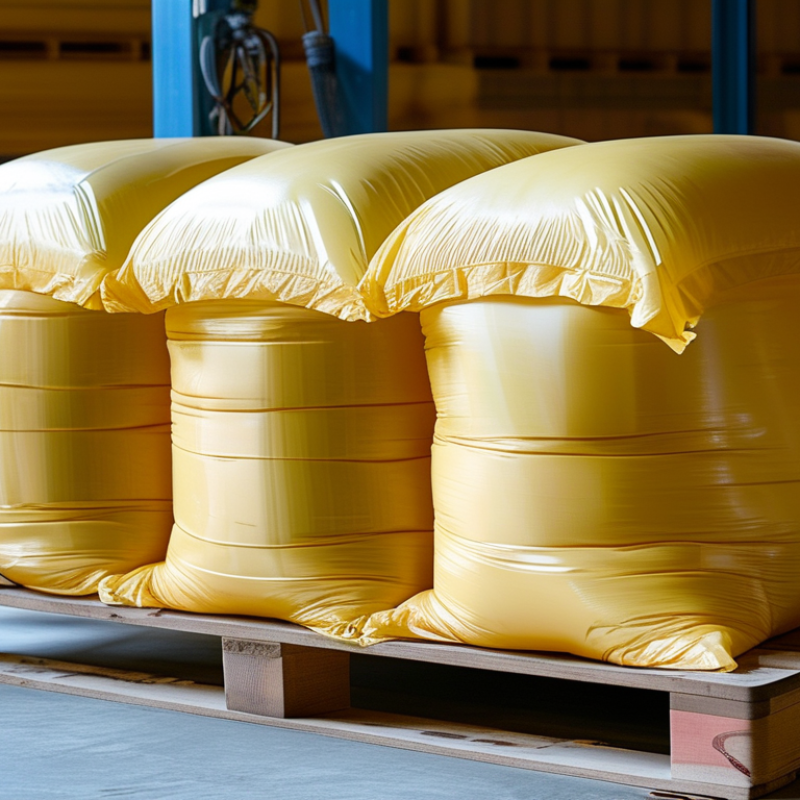
What Is a PP Dunnage Bag and How Does It Work? The answer begins with a simple idea: controlled air pressure can prevent cargo movement. A PP Dunnage Bag is an inflatable cargo-protection device made with a strong polypropylene outer layer and an airtight inner bladder. Workers place it inside gaps between pallets, cartons, drums, or other unitized loads. They then inflate it with air.

Packaging specialist Peter MacDonald explains the principle clearly: “A dunnage bag does not carry the cargo; it limits the space in which cargo can move.” That distinction matters. Air does the work. When a vehicle accelerates, brakes, or turns, the bag presses gently against nearby cargo. It reduces sliding, tipping, vibration, and impact between separate loads. The woven PP fabric helps the bag resist abrasion during handling.

The process sounds straightforward, but real shipments are less tidy. A bag needs the correct size, suitable pressure, and a clean contact surface. Operators should inspect the valve, seams, and outer fabric before inflation. They should also avoid sharp edges and never use the bag as a lifting device. A correctly inflated bag can still perform poorly if the load is unstable or the surrounding void is too large. That is an important limitation. In practice, effective cargo securing combines PP Dunnage Bag placement with sound pallet stacking, restraint planning, and careful inspection. This article examines the bag’s structure, operating principle, benefits, limitations, and practical use inside transport units.
What Is a PP Dunnage Bag and How Does It Work?

PP Dunnage Bag: Definition and Core Components

What Is a PP Dunnage Bag and How Does It Work?

PP dunnage bags are inflatable cargo-securing cushions made mainly from woven polypropylene. “PP” means polypropylene, a lightweight polymer with useful tensile strength and moisture resistance. The outer shell usually contains woven PP fabric, while the inner bladder holds compressed air. A valve controls inflation and pressure release. Heat-sealed or stitched seams connect these components.

Some bags also include a paper or polymer laminate. This layer improves air retention and protects the woven shell from abrasion. The bag does not lift cargo. It fills the empty space between pallets, cartons, or coils. Internal air pressure then creates counterforce when cargo shifts during braking, vibration, or vessel movement. It works best when the void is properly measured.

The 2023 UNCTAD Review of Maritime Transport reports that over 80% of global merchandise trade by volume moves by sea. That scale makes small securing failures expensive. The World Bank’s 2023 Logistics Performance Index assessed 139 economies and highlighted reliability as a key logistics challenge. A dunnage bag supports reliability, but it is not a complete securing system. The CTU Code still requires suitable loading, blocking, and restraint practices.

In practice, installers should inspect corners, estimate the void, and use the correct bag level. Overinflation can damage packaging or seams. Underinflation may leave movement space. This is where judgment matters. Packaging drawings rarely show every real-world condition. Even a strong PP shell cannot compensate for poor cargo distribution, sharp edges, or an unsuitable valve.

How a PP Dunnage Bag Is Installed in Cargo Spaces

A PP dunnage bag is an inflatable support used to reduce movement between cargo units. In a cargo space, correct installation matters more than appearance. Before placing the bag, inspect the surrounding packages, floor, walls, and loading equipment. Remove moisture, loose debris, and sharp objects that could damage the outer layer. Measure the empty space carefully. Choose a bag that matches the gap size and cargo height.

Keep the bag flat and centered between stable surfaces. It should not extend beyond the cargo edges or touch sharp corners. Use protective sheets when rough timber, metal bands, or broken packaging creates a puncture risk. Inflate the bag gradually with a regulated air tool. Stop at the pressure specified for its grade and application. Do not overinflate it. The bag should press firmly against both sides without lifting or deforming the cargo.

This is the working principle.

Check the load from several angles. It should remain aligned, with no visible leaning or open voids. I have sometimes seen installers inflate too quickly, then miss a small fold near the bottom. That fold can weaken contact. Small errors matter. After inflation, inspect the valve and seams by hand, then recheck the space before closing the cargo area. During handling, vibration may create movement, so the surrounding securing system still needs attention. A dunnage bag supports the load. It does not replace proper blocking, bracing, or careful weight distribution.

How Inflation Creates Load-Stabilizing Pressure

What Is a PP Dunnage Bag and How Does It Work?

How Inflation Creates Load-Stabilizing Pressure

A PP dunnage bag is an inflatable cargo restraint made with woven polypropylene fabric. Its inner liner holds compressed air inside the bag. The bag fills the open space between cargo units, pallets, or containers. This simple action creates a more stable loading arrangement.

Inflation does not lift the cargo. It applies controlled pressure against the load surfaces. That pressure spreads across the bag’s contact area. When the vehicle moves, the bag helps reduce sideways movement, vibration, and impact between packages. A properly inflated bag acts like a flexible brace. It remains firm without becoming a rigid block.

Pressure must match the gap size and the cargo’s weight. Too little air leaves movement inside the load. Too much air can stress packaging or distort weak surfaces. The operator should use a pressure gauge and follow the bag’s working specifications. Sharp edges need protection, and wet or damaged bags require careful inspection. In practical loading work, small gaps often cause large shifts. Still, an air bag cannot correct every loading mistake. It should work with suitable blocking and sound cargo placement. Conditions vary, so checking the load after inflation is wise. That extra check may feel unnecessary, but it prevents avoidable surprises.

How the Bag Protects Goods During Transport

A PP dunnage bag is a woven polypropylene air cushion placed between cargo units. During transport, empty spaces let pallets shift, especially during braking, cornering, or track vibration. The bag is inflated after loading. Its flexible walls press against both sides, spreading restraint across a broad contact area. This reduces sliding and limits repeated impacts between cartons, drums, or crates. Small movements matter.

Protection depends on correct sizing, inflation pressure, and placement. A trained loader measures the gap and checks the bag’s rated pressure before inflation. The bag should touch stable surfaces, not sharp edges, wet floors, or damaged packaging. It is not a replacement for blocking, bracing, or proper weight distribution. The CTU Code, developed by IMO, ILO, and UNECE, treats dunnage bags as one part of a wider cargo-securing system. One weak point remains. An overinflated bag can deform packages, while an undersized bag may lose contact during movement.

Industry data explains why this discipline matters. UNCTAD’s Review of Maritime Transport 2023 states that about 80 percent of global merchandise trade by volume moves by sea. Long routes multiply vibration, handling, and temperature changes. The World Bank’s Connecting to Compete 2023 report used nearly 4,000 logistics-professional assessments across 139 economies. It emphasized reliability, tracking, and timeliness. That evidence does not prove every bag prevents damage. Field checks still matter. Inspectors should photograph loading gaps, valve condition, and final inflation.

What Is a PP Dunnage Bag and How Does It Work?

A PP dunnage bag is an inflatable cargo-securing cushion with a polypropylene outer layer. When filled with air, it occupies the empty space between loads, distributes pressure across a broad surface, and helps reduce shifting, impact, and vibration during transport.

The chart compares common nominal dunnage bag face dimensions and their calculated face area. Actual inflated dimensions, allowable void width, and load capacity depend on the bag specification and transport conditions.

Key Types, Benefits, and Safe Usage Considerations

What Is a PP Dunnage Bag and How Does It Work?

A PP dunnage bag has a woven polypropylene outer layer and an airtight inner bladder. Workers inflate it inside a cargo void. The pressure then limits shifting during braking, vibration, and sea movement. Common types include light-duty bags for cartons, heavy-duty bags for pallets, and reusable designs for repeated routes. They offer low weight, quick installation, and useful moisture resistance. However, they are not substitutes for blocking, bracing, or proper load planning. The bag is not magic.

UNCTAD’s Review of Maritime Transport 2023 states that over 80% of global merchandise trade moves by sea. Cargo may face long, repeated handling cycles. The 2023 TT Club cargo integrity guidance also identifies poor packing and restraint as recurring causes of damage. PP bags can reduce empty space, but incorrect sizing may create new pressure points. That detail is easy to miss. A practical inspection should check the bag’s seams, valve, inflation level, and contact with sharp edges. Follow the CTU Code and the bag’s tested working limits. Never inflate against a door or use a damaged bag.

Tips: Measure the void before loading. Choose a bag that fills the space without stretching around corners. Use protective sheets near rough timber or metal. Confirm that the cargo remains stable after inflation. Record the inspection, even when the load looks secure. In real warehouses, rushed checks still happen. That is where preventable failures begin.

What Is a PP Dunnage Bag and How Does It Work? - Key Types, Benefits, and Safe Usage Considerations

Dimension Key Information Practical Consideration
Definition A PP dunnage bag is an inflatable cargo-securing device made with a woven polypropylene outer layer and an airtight inner liner. It is placed in void spaces between cargo, walls, pallets, or containers to reduce movement during transportation.
How It Works The bag is inflated with air so it presses against adjacent loads and distributes restraint pressure over a broad surface. It helps limit longitudinal and lateral shifting caused by braking, acceleration, vibration, vessel motion, and handling impacts.
Main Materials The outer fabric is commonly woven polypropylene; the inner bladder may use polyethylene or another airtight plastic film. The outer layer provides abrasion resistance, while the inner liner retains inflation air.
Type 1: Paper Dunnage Bags Paper-based bags are generally intended for lower-risk applications and may have lower resistance to moisture and rough handling than woven polypropylene bags. Use only where the bag specification, surface conditions, and transport environment are suitable.
Type 2: PP Dunnage Bags Woven polypropylene bags offer a strong, lightweight outer structure and are commonly selected for general road, rail, sea, and intermodal cargo securing. Check the rated application level and the manufacturer’s load, pressure, and void-size limits before use.
Type 3: Heavy-Duty Dunnage Bags Heavy-duty constructions use reinforced outer fabric and are designed for demanding cargo conditions, larger voids, or heavier loads. A higher-strength bag does not replace blocking, bracing, strapping, or other required securing methods.
Typical Size Range Common sizes range from small bags for narrow gaps to large bags designed for voids approaching the internal height or width limits specified for the product. Select a bag that fits the void without folding, twisting, overextending, or contacting sharp edges.
Inflation Pressure Inflation pressure must remain within the value printed on the bag or stated in its technical instructions; pressure limits vary by construction and application level. Use a compatible inflation tool and pressure-control method. Do not inflate by guesswork or exceed the stated limit.
Primary Benefits Reduces cargo shifting, helps protect packaging, is lightweight, installs quickly, and can occupy less storage space before inflation than rigid blocking materials. It can improve loading efficiency, but its suitability depends on cargo shape, weight, packaging strength, and transport conditions.
Reusability Many PP dunnage bags can be reused if they remain airtight and free from cuts, punctures, seam damage, valve damage, or serious abrasion. Inspect and document each bag before reuse. Damaged bags should be removed from service.
Correct Placement Place the bag centrally in the void, with broad contact against stable, sufficiently strong cargo surfaces. Do not place it against protruding nails, sharp metal, rough corners, leaking liquids, or surfaces likely to puncture the liner.
Void Size Control Dunnage bags are intended for voids within their specified working range. Excessively large gaps may prevent effective restraint. Use blocking, bracing, pallets, airbags of an appropriate size, or a combined securing system when the gap is too large.
Load Compatibility The surrounding cargo must be able to withstand the contact pressure without collapsing, deforming, or tearing. Use edge protection, load boards, or wider contact surfaces for fragile cartons and low-strength packaging.
Inspection Before Use Inspect the fabric, inner liner, seams, valve, and surface for punctures, cuts, excessive wear, contamination, and air leakage. Never use a bag with visible damage or an uncertain service history in a critical load-securing application.
Safe Inflation Procedure Position the bag first, connect the correct valve adapter, inflate gradually, and stop at the specified working pressure. Keep personnel clear of unstable cargo and avoid standing in a potential release path while inflating.
Limitations A dunnage bag is not designed to lift cargo, support a person, replace structural bracing in every situation, or restrain an improperly loaded shipment by itself. Follow applicable cargo-securement regulations, transport-mode rules, and the bag’s technical instructions.
Storage Conditions Store deflated bags in a clean, dry location away from direct sunlight, excessive heat, chemicals, rodents, and sharp objects. Avoid prolonged exposure to ultraviolet radiation and temperatures outside the product’s stated storage range.
End-of-Life Handling Retire bags that leak, lose pressure, have damaged valves or seams, or show significant abrasion and puncture damage. Dispose of or recycle the materials according to local waste-management requirements and the bag’s material composition.