10 Best Peek Material Applications You Should Know?
Peek material has rapidly gained recognition in various industries due to its remarkable properties. Dr. Emily Carter, a leading expert in advanced polymers, once stated, "Peek material sets the standard for durability and performance." This statement highlights the essential role of peek in innovative applications.
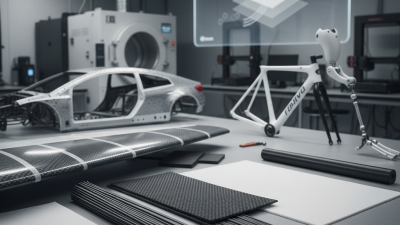
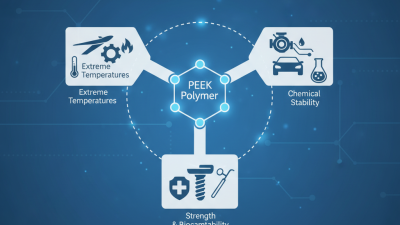
The versatility of peek material allows it to be used in aerospace, automotive, and medical sectors. For instance, its resistance to extreme temperatures and chemicals makes it ideal for engine components. In the medical field, peek is utilized in implants, providing a biocompatible option. These features are not just theoretical; they significantly enhance product lifespan and reliability.
However, despite its benefits, the cost of peek material can be a barrier for some manufacturers. Balancing performance with budget constraints is crucial. As industries continue to explore new applications, the challenge remains to maximize the potential of peek material while addressing economic considerations.
Overview of PEEK Material and Its Properties
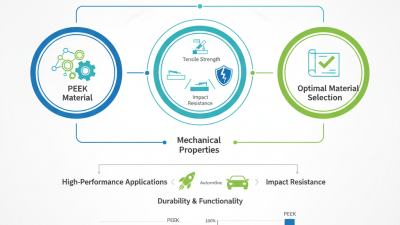
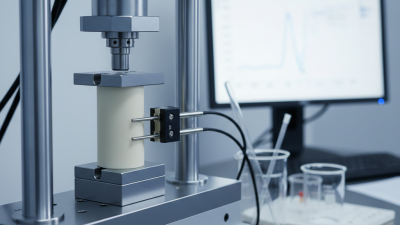
PEEK, or polyether ether ketone, is a high-performance thermoplastic. It boasts exceptional chemical resistance and stability under extreme temperatures. This makes it suitable for a variety of industries. PEEK can resist temperatures up to 260°C (500°F) and has a tensile strength of over 90 MPa. These properties make it invaluable in aerospace, automotive, and medical applications.
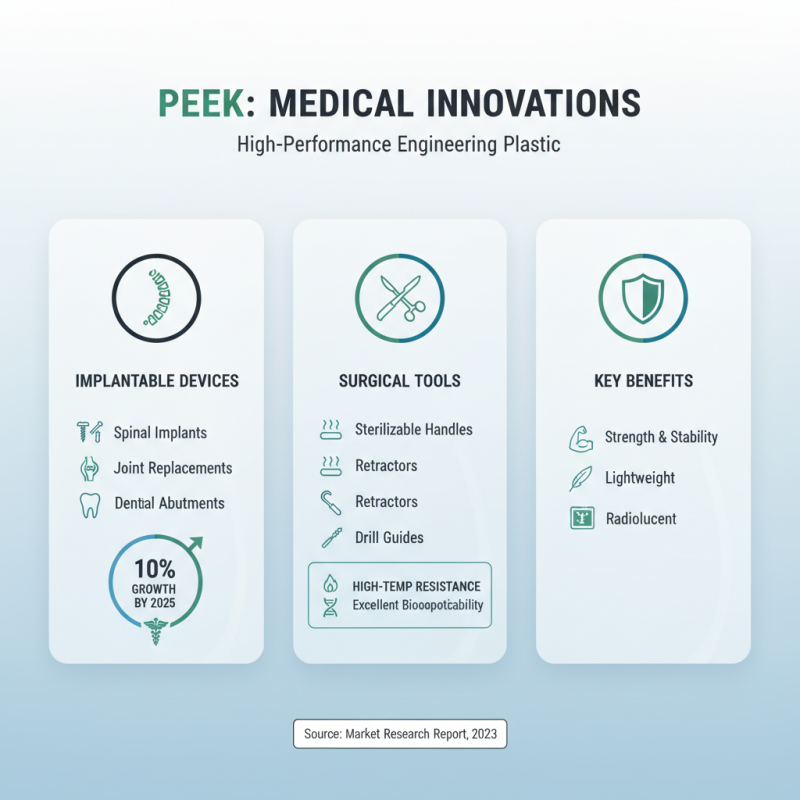
In the medical field, PEEK is often used in implants and surgical instruments. Its biocompatibility is crucial for patient safety. Reports indicate that PEEK can match bone density, providing a seamless integration in orthopedic devices. In the aerospace sector, the material reduces weight while maintaining structural integrity. This helps improve fuel efficiency and overall performance. However, its high cost can be a barrier to wider adoption.
Another aspect to consider is its processing difficulty. PEEK requires specialized machinery and conditions for molding or machining. Many manufacturers struggle with this, leading to inconsistent product quality. It's important to acknowledge that while PEEK offers remarkable performance, these challenges can deter potential users. Exploring solutions for these issues is key to maximizing PEEK's potential in various applications.
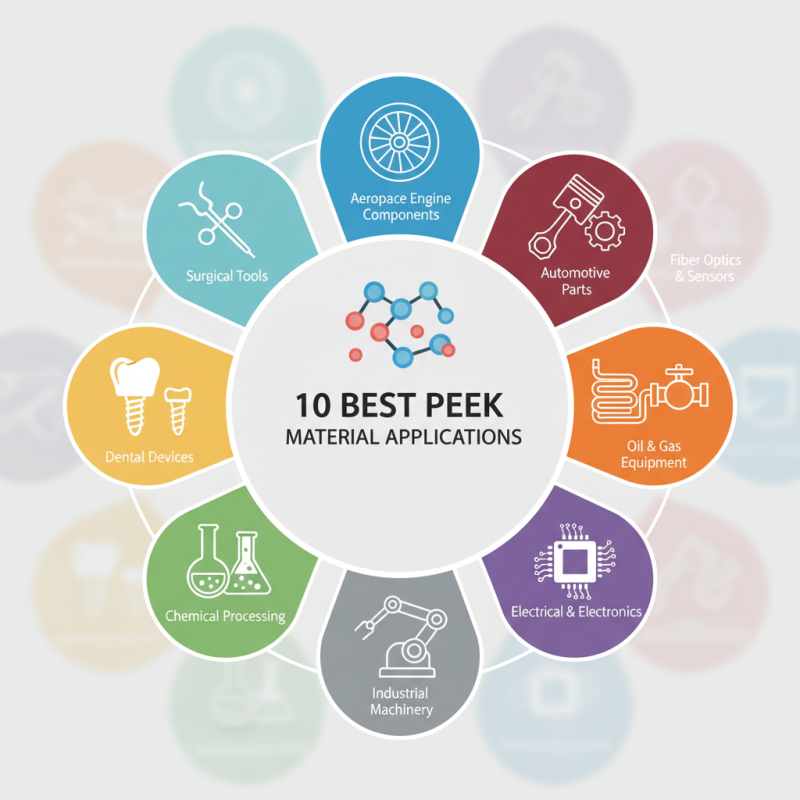
10 Best Peek Material Applications You Should Know
| Application |
Description |
Key Properties |
Temperature Resistance |
| Aerospace Components |
Used for lightweight, high-strength components in aircraft. |
High strength-to-weight ratio, chemical resistance. |
Up to 260°C |
| Medical Devices |
Ideal for surgical instruments and implants due to biocompatibility. |
Biocompatible, sterilizable, and durable. |
Up to 300°C |
| Electrical Insulators |
Used in components that require high dielectric strength. |
Excellent electrical insulation properties. |
Up to 260°C |
| Automotive Parts |
Utilized for gears, seals, and bearings in automotive applications. |
High wear resistance, low friction coefficient. |
Up to 200°C |
| Chemical Processing |
Used for pump components and valves in harsh chemical environments. |
Exceptional chemical resistance. |
Up to 260°C |
| Oil and Gas |
Components for offshore drilling and production equipment. |
High strength, temperature resistance. |
Up to 300°C |
| Semiconductor Manufacturing |
Used in components that require high thermal stability. |
Thermal stability, low outgassing properties. |
Up to 260°C |
| Food Processing |
Components that must withstand high temperatures and are food-safe. |
Food-safe, high temperature tolerance. |
Up to 260°C |
| Robotics |
Parts that require high durability and low weight. |
Lightweight, high mechanical properties. |
Up to 260°C |
| 3D Printing |
Used as a material for high-performance 3D printed parts. |
High durability and dimensional stability. |
Up to 260°C |
Top 10 Innovative Applications of PEEK Material
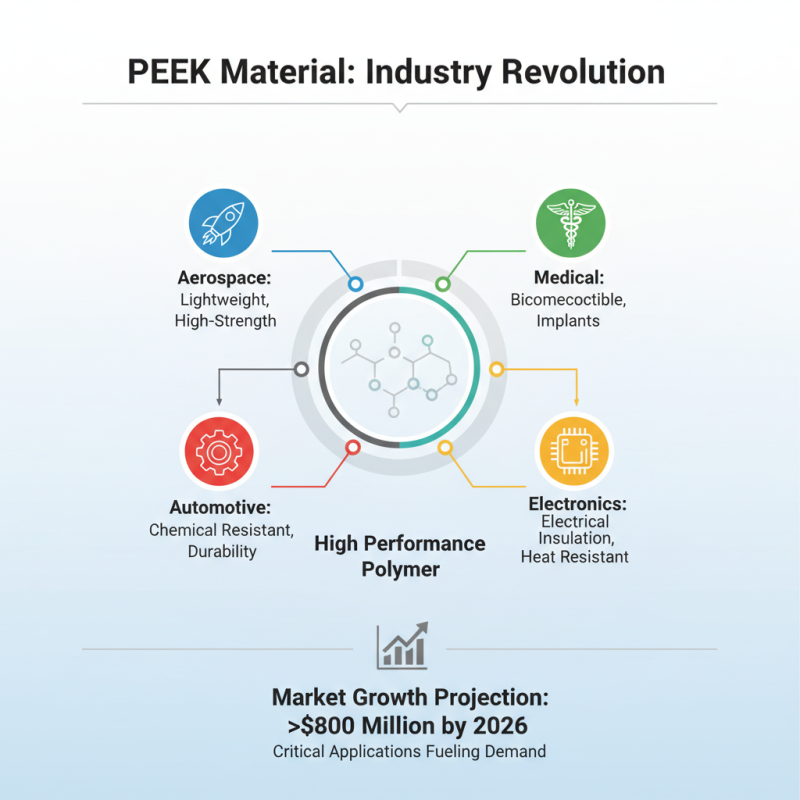
PEEK material is revolutionizing numerous industries with its high performance. The versatility of PEEK enables innovative applications in aerospace, medical, automotive, and electronics. According to a recent market report, the global demand for PEEK is projected to reach over $800 million by 2026. This growth reflects its increasing acceptance in critical applications.
In the aerospace industry, PEEK is used for lightweight and durable components. Its thermal stability makes it ideal for harsh environments. In medical devices, PEEK's biocompatibility is a game-changer. It serves as an excellent material for implants and surgical instruments.
*Tips: Consider PEEK's ability to withstand high temperatures. This quality is vital in applications needing reliability under stress.*
Another noteworthy application is in the automotive sector. PEEK parts reduce weight and enhance fuel efficiency. Its chemical resistance also helps protect against various automotive fluids. However, the challenge lies in the material's cost. It can be expensive, which might deter some manufacturers.
*Remember: Always evaluate the cost versus performance ratio. Sometimes, alternatives could serve better for specific needs.*
Finally, in the electronics sphere, PEEK is utilized for connectors and insulators. Its dielectric properties make it a preferred choice for ensuring safety and performance. Despite its benefits, the complexity of processing PEEK can lead to production delays. Understanding these nuances is essential for effective application.
Benefits of Using PEEK in High-Performance Settings
PEEK, or polyether ether ketone, is a high-performance thermoplastic celebrated for its remarkable properties. It excels in extreme conditions, resisting heat, chemicals, and wear. In aerospace and automotive industries, PEEK shows impressive thermal stability, enduring temperatures up to 260°C. According to a recent market report, the demand for PEEK is projected to grow at a CAGR of 8.6% from 2022 to 2030, highlighting its essential role in engineering solutions.
One significant benefit of using PEEK is its lightweight nature. For aerospace applications, reducing weight leads to improved fuel efficiency and lower emissions. PEEK components can withstand harsh environments without deformation or failure, which enhances reliability and safety. However, its cost can be higher than traditional materials, which prompts careful consideration of its application.
Tips: Evaluate project requirements before choosing PEEK. Consider long-term benefits over initial costs. When possible, prototype components to understand PEEK's real-world performance.
PEEK also offers electrical insulation, making it suitable for electronics and medical devices. In these fields, the need for sterile and bio-compatible materials is crucial. Balancing cost with performance reliability remains a challenge. Industries are still exploring optimal applications to maximize PEEK's advantages while minimizing drawbacks.
Future Trends and Developments in PEEK Material Usage
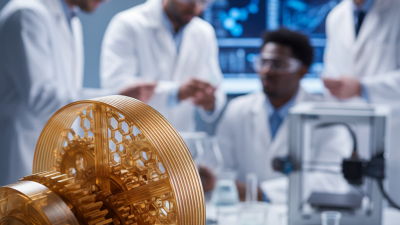
PEEK material has been gaining traction in various industries due to its unique properties. As technological advancements progress, its applications are expanding. Medical devices are one prominent area. PEEK's biocompatibility and strength make it suitable for implants and surgical tools. Its high-temperature resistance is another advantage. These features allow for safer, longer-lasting medical solutions.
Aerospace and automotive sectors also show increasing interest. PEEK's lightweight nature helps reduce fuel consumption. Engineers are excited about its potential for durable components in harsh environments. However, challenges remain. Cost can be a barrier for widespread adoption. Also, processing techniques for PEEK are not always straightforward. It often requires specialized equipment, complicating production.
Sustainability concerns are rising, too. As industries move toward greener options, recycling PEEK materials could be essential. Innovations in this area are not yet fully developed. The future is uncertain but promising. With ongoing research and improvements, PEEK could revolutionize material usage across many fields. There’s a clear need for continuous exploration and adaptation in these applications.
10 Best PEEK Material Applications You Should Know